
Contents
- ⛏️ Origins in LA Landscaping
- ⚙️ The Mechanics of Lawn Digging
- 📊 Soil Stats & Digging Depths
- 🧑🌾 Key Figures in LA Digging
- 🌴 Cultural Resonance of the Dig
- ☀️ Current Digging Trends in LA
- 🚧 Digging Debates & Challenges
- 🚀 The Future of Lawn Excavation
- 🛠️ Practical Digging Applications
- 📚 Further Excavation Knowledge
- References
Overview
The practice of digging for residential lawns in Los Angeles has evolved significantly since the city's early days. Initially, much of the area was arid scrubland, and early landscaping efforts often involved rudimentary manual labor to break through the native, often clay-heavy soils. As the population grew and the demand for lush, green spaces increased, particularly in the mid-20th century, more sophisticated techniques and tools emerged. The development of suburban communities across the Greater Los Angeles Area spurred a need for efficient methods to prepare ground for Zoysia and other popular turf varieties. Early landscape architects and horticulturalists, like those associated with the Descanso Gardens or Huntington Library, experimented with soil amendments and aeration techniques that relied heavily on controlled digging to improve water retention and root penetration, crucial for surviving the Mediterranean climate characterized by dry summers and mild, wet winters.
⚙️ The Mechanics of Lawn Digging
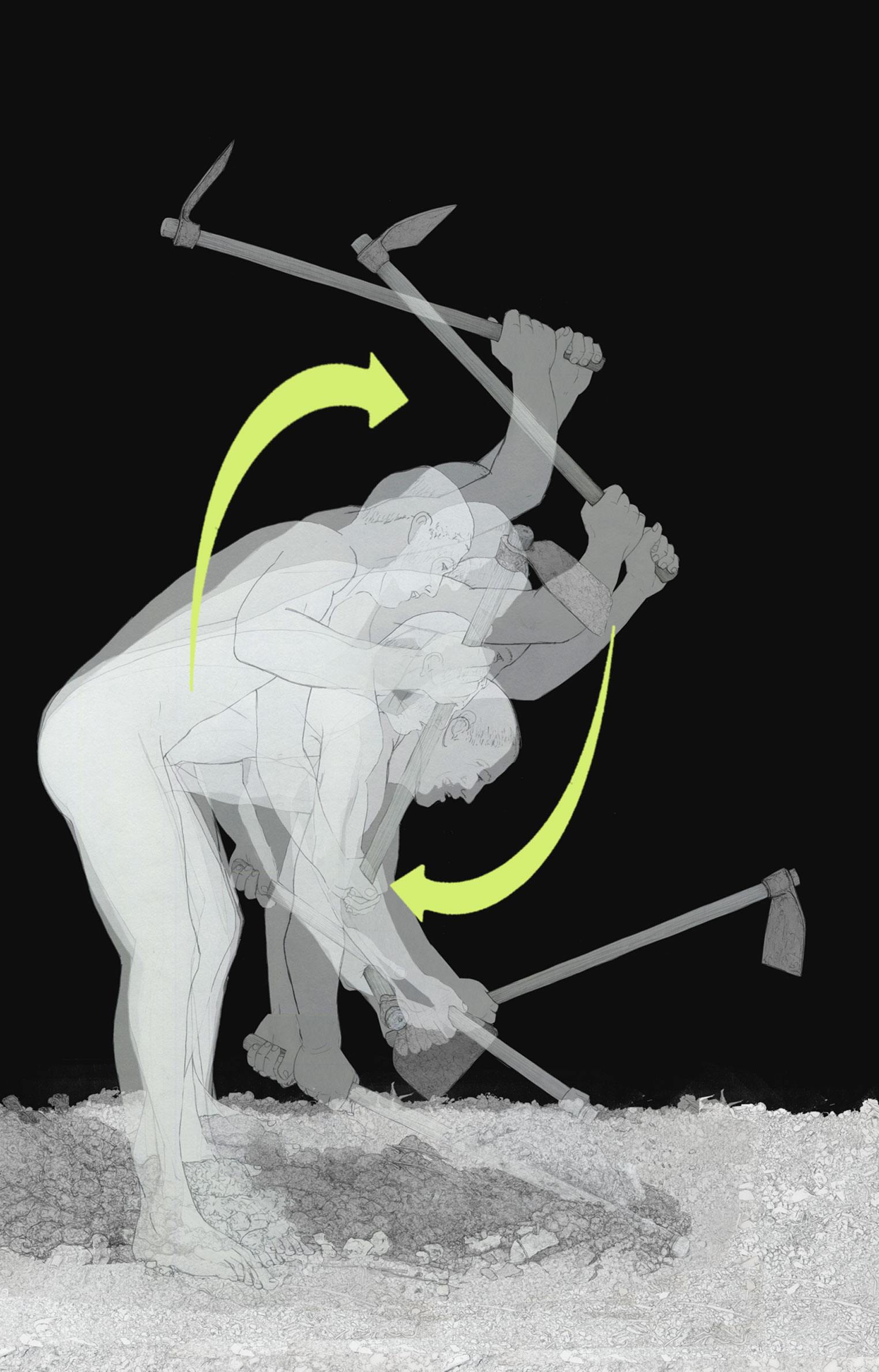
Digging for Los Angeles lawns involves more than just a shovel. It's a multi-step process that begins with assessing soil compaction, a common issue in the region due to heavy clay content and foot traffic. Tools range from simple hand trowels and spades for small planting beds to rototillers and core aerators for larger areas. This process is followed by the removal and relocation of excavated material, whether it's to create contours, fill holes, or incorporate amendments like compost or calcium sulfate to improve soil structure and drainage. For instance, when installing a new drip irrigation, trenches must be dug to a specific depth to protect the lines from lawnmowers and foot traffic.
📊 Soil Stats & Digging Depths
Understanding soil composition is paramount for effective digging in Los Angeles. Clay soils, prevalent in areas like Pasadena, can become waterlogged and compacted, requiring deeper digging and significant amendment with organic matter to achieve a loam-like consistency. Sandy soils, found closer to the coast, drain quickly and may require digging to incorporate moisture-retaining materials. Soil tests can reveal crucial data like pH, organic matter content, and nutrient levels, guiding the extent and type of digging needed.
🧑🌾 Key Figures in LA Digging
While no single figure is solely credited with 'inventing' lawn digging, horticulturalists and landscape designers in Southern California have continuously refined the practice. Landscape architects specializing in sustainable design, such as those working with organizations like the MWD, advocate for digging techniques that minimize water runoff and promote healthy root systems for drought-tolerant lawns and groundcovers. The widespread adoption of smart irrigation also necessitates precise digging for sensor placement and valve installation, making the skill critical for modern lawn maintenance professionals and homeowners alike.
🌴 Cultural Resonance of the Dig
The act of digging has a subtle but significant cultural resonance in Los Angeles, tied to the aspirational ideal of the suburban dream and the pursuit of the 'perfect' green lawn. For decades, a well-maintained yard, often featuring species like Bermuda grass or Ryegrass overseeded in cooler months, symbolized prosperity and domestic tranquility. Digging, as the foundational step in achieving this, became an ingrained part of homeownership. While the trend is shifting towards more drought-tolerant landscaping, the legacy of digging for traditional lawns persists. It represents a tangible connection to the earth, a hands-on approach to beautifying one's environment, and a commitment to the aesthetic standards that have long defined Southern California living, even as water conservation becomes a paramount concern.
☀️ Current Digging Trends in LA
There's a marked shift towards digging for more sustainable landscape features. This includes excavating for rain garden installations to capture storm runoff, digging trenches for efficient drip irrigation and subsurface irrigation to minimize evaporation, and preparing soil for drought-tolerant groundcovers and native plants. The use of augers and specialized trenching equipment is becoming more common for homeowners and professionals alike, allowing for quicker, deeper digging with less physical strain. The focus is shifting from creating expansive green carpets to designing functional, water-wise landscapes that still require thoughtful soil preparation through digging.
🚧 Digging Debates & Challenges
A persistent debate in Los Angeles lawn care revolves around the necessity and methods of digging, particularly concerning water usage. Skeptics argue that extensive digging for traditional, water-thirsty lawns like Bermuda is unsustainable given the region's climate and water restrictions. They advocate for replacing lawns with xeriscaping or native plant gardens, which require less intensive soil preparation. Conversely, proponents of traditional lawns emphasize that proper digging, including deep aeration and soil amendment with organic matter, can create more resilient turf that requires less frequent watering. The controversy also extends to the use of heavy equipment versus manual labor; while machines offer efficiency, concerns exist about soil compaction and environmental impact. Finding the balance between aesthetic desires and ecological responsibility remains a key challenge.
🚀 The Future of Lawn Excavation
The future of digging for Los Angeles lawns points towards increased integration with smart technology and sustainable practices. We can anticipate the development of robotic digging tools capable of precise soil analysis and amendment application, potentially optimizing nutrient delivery and water retention at a micro-level. Expect a greater emphasis on 'regenerative digging,' focusing on improving soil health and biodiversity rather than just excavation. This might involve techniques like no-till methods adapted for lawns, or using specialized tools that aerate and inject beneficial microbes simultaneously. As water scarcity intensifies, digging will likely be more focused on creating infrastructure for water harvesting and efficient delivery, such as deeper trenches for advanced subsurface irrigation or excavation for permeable paving solutions that allow water to infiltrate the soil, rather than simply preparing ground for thirsty turfgrass.
🛠️ Practical Digging Applications
Digging is a critical practical application for numerous lawn care tasks in Los Angeles. It's essential for installing new sod or seeding, ensuring roots can establish quickly in the native soil. Digging is required for planting trees and shrubs, creating root balls that can access moisture efficiently. Trenching for irrigation lines, drainage pipes, and landscape lighting necessitates careful digging to avoid utility lines and ensure proper function. Aeration, a vital process for combating soil compaction and improving air an
📚 Further Excavation Knowledge
For those seeking to deepen their understanding of soil science and excavation techniques relevant to Southern California's unique environment, several resources are available. Local UCCE offices offer soil testing services and expert advice tailored to regional conditions. Horticultural societies and botanical gardens, such as the South Coast Botanic Garden, often host workshops and provide literature on best practices for soil management and planting. Online resources from organizations like the MWD also provide valuable information on water-wise landscaping and sustainable gardening techniques, which inherently involve informed digging and soil preparation.
Key Facts
- Category
- lawn-care-basics
- Type
- topic