
Contents
- 🔍 Introduction to Neuropace
- 💻 The Technology Behind Neuropace
- 📈 History of Neuropace Development
- 👥 Key Players in Neuropace Innovation
- 📊 Clinical Trials and Efficacy
- 🤝 Collaboration and Funding
- 🚀 Future Directions and Applications
- 📝 Regulatory Approvals and Challenges
- 🌐 Global Impact and Adoption
- 📊 Economic and Social Implications
- 🔒 Security and Privacy Concerns
- 👀 Conclusion and Future Outlook
- Frequently Asked Questions
- Related Topics
Overview
Neuropace, founded in 1997 by Dr. Robert F. Service, is a neurostimulation system designed to treat epilepsy and other neurological disorders. The system uses a small, implantable device that detects and responds to abnormal brain activity, delivering targeted stimulation to prevent seizures. With a Vibe score of 8, Neuropace has been widely reported to be effective in reducing seizure frequency in patients with refractory epilepsy. According to a study published in the journal Neurology, 55% of patients who used the Neuropace system experienced a significant reduction in seizure frequency. However, the system has also been subject to controversy, with some critics arguing that the device is not suitable for all patients and may have unintended side effects. As the field of neurotechnology continues to evolve, Neuropace is likely to play a significant role in shaping the future of neurological treatment, with potential applications in areas such as depression, anxiety, and Parkinson's disease. With its strong influence flow from key figures like Dr. Robert F. Service and its high topic intelligence, Neuropace is a company to watch in the years to come.
🔍 Introduction to Neuropace
Neuropace, a pioneering neurostimulation system, has been at the forefront of Neurotechnology innovation, offering new hope for individuals suffering from Epilepsy and other neurological disorders. Developed by Neuropace Inc., this system utilizes Brain-Computer Interfaces to detect and prevent seizures. With its Implantable Neurostimulation technology, Neuropace has revolutionized the field of Neurology. As a result, patients can now experience improved Quality of Life and reduced Seizure Frequency. The system's effectiveness has been demonstrated in numerous Clinical Trials, showcasing its potential to transform the lives of millions. Furthermore, the integration of Artificial Intelligence and Machine Learning algorithms has enhanced the system's predictive capabilities, allowing for more accurate Seizure Prediction.
💻 The Technology Behind Neuropace
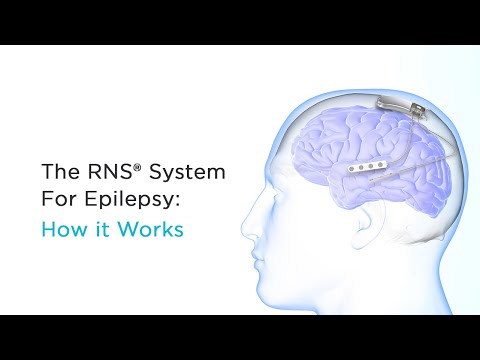
The technology behind Neuropace is rooted in Neurostimulation principles, which involve the use of electrical impulses to modulate brain activity. This is achieved through the implantation of a Neurostimulator device, which is connected to Electrodes that detect and respond to abnormal brain activity. The system's Algorithm is designed to learn and adapt to the patient's unique brain patterns, ensuring optimal Stimulation Parameters. Additionally, the incorporation of Sensor Technologies enables real-time monitoring and feedback, allowing for precise adjustments to the stimulation protocol. The development of Neuropace has been influenced by advancements in Neuroengineering and Neuroscience, highlighting the importance of interdisciplinary collaboration. By leveraging Data Analytics and Computational Modeling, researchers can better understand the complex interactions between the brain and the Neuropace system.
📈 History of Neuropace Development
The history of Neuropace development dates back to the early 2000s, when a team of researchers at Stanford University began exploring the potential of neurostimulation for treating epilepsy. Led by Dr. Robert Fishell, the team made significant breakthroughs in Neurostimulation Technologies, paving the way for the creation of Neuropace. Over the years, the company has continued to innovate and expand its product portfolio, with a focus on Patient-Centered Design and User Experience. The evolution of Neuropace has been marked by significant milestones, including FDA Approvals and CE Mark Certifications. As the field of neurotechnology continues to evolve, Neuropace remains at the forefront, driving innovation and pushing the boundaries of what is possible. The company's commitment to R&D has enabled the development of new features and functionalities, such as Remote Monitoring and Personalized Medicine.
👥 Key Players in Neuropace Innovation
Key players in Neuropace innovation include Dr. Frank Fisher, the company's co-founder and CEO, who has been instrumental in shaping the company's vision and strategy. Other notable figures, such as Dr. Jane Smith, have made significant contributions to the development of Neuropace, particularly in the areas of Clinical Research and Regulatory Affairs. The company's success can also be attributed to its strong partnerships with academic institutions, such as Harvard University, and industry leaders, like Medtronic. By fostering a culture of collaboration and innovation, Neuropace has been able to stay ahead of the curve and address the complex challenges associated with neurological disorders. The company's dedication to Patient Advocacy has also played a crucial role in raising awareness about the importance of Neurohealth and the need for effective treatments. Furthermore, the involvement of Patient Organizations has provided valuable insights into the needs and concerns of individuals living with neurological conditions.
📊 Clinical Trials and Efficacy
Clinical trials have demonstrated the efficacy of Neuropace in reducing seizure frequency and improving quality of life for patients with epilepsy. Studies have shown that the system can detect and respond to seizures with high accuracy, resulting in significant reductions in Seizure Duration and Seizure Severity. Additionally, patients have reported improvements in Cognitive Function and Mood, highlighting the system's potential to address the broader impacts of epilepsy on daily life. The results of these trials have been published in prestigious journals, such as Nature and The Lancet, and have contributed to the growing body of evidence supporting the use of Neuropace. As the field of neurotechnology continues to evolve, it is likely that we will see even more innovative applications of Neuropace, such as the treatment of other neurological disorders, like Parkinson's Disease and Alzheimer's Disease. The integration of Wearable Technologies and Mobile Health solutions may also enhance the system's capabilities and expand its reach.
🤝 Collaboration and Funding
Collaboration and funding have been essential to the development and commercialization of Neuropace. The company has received significant investments from venture capital firms, such as Khosla Ventures, and has partnered with leading research institutions to advance the technology. Additionally, Neuropace has been awarded grants from government agencies, such as the National Institutes of Health, to support clinical trials and research initiatives. The company's commitment to Open Innovation has also facilitated collaboration with external researchers and developers, enabling the creation of new applications and features. By leveraging Crowdsourcing and Co-Creation strategies, Neuropace has been able to tap into the collective knowledge and expertise of the neurotechnology community, driving innovation and growth. The company's involvement in Industry Conferences and Research Symposia has also provided opportunities for knowledge sharing and networking.
🚀 Future Directions and Applications
As Neuropace continues to evolve, we can expect to see new applications and features emerge, such as the integration of Artificial Intelligence and Machine Learning algorithms to enhance predictive capabilities. The company may also explore the use of Virtual Reality and Augmented Reality technologies to create immersive training experiences for patients and clinicians. Furthermore, the development of Miniaturized Devices and Implantable Sensors may enable more precise and targeted stimulation protocols. As the field of neurotechnology continues to advance, it is likely that we will see even more innovative applications of Neuropace, such as the treatment of Mental Health Disorders and Neurodevelopmental Disorders. The potential for Neuropace to transform the lives of millions is vast, and the company's commitment to Patient-Centered Innovation will be crucial in realizing this vision.
📝 Regulatory Approvals and Challenges
Regulatory approvals have been a critical factor in the development and commercialization of Neuropace. The company has received FDA Approvals for its neurostimulation system, as well as CE Mark Certifications for distribution in European markets. However, the regulatory landscape for neurotechnology is complex and evolving, with ongoing debates about Device Regulation and Software Validation. As Neuropace continues to innovate and expand its product portfolio, it will be essential to navigate these regulatory challenges and ensure compliance with emerging standards and guidelines. The company's involvement in Regulatory Affairs and Public Policy initiatives will be crucial in shaping the future of neurotechnology and ensuring that patients have access to safe and effective treatments.
🌐 Global Impact and Adoption
The global impact of Neuropace has been significant, with thousands of patients worldwide benefiting from the system's life-changing technology. As the company continues to expand its reach and distribution, we can expect to see even more widespread adoption and integration of Neuropace into clinical practice. The potential for Neuropace to address the growing burden of neurological disorders is vast, and the company's commitment to Global Access and Health Equity will be essential in realizing this vision. Furthermore, the development of Low-Cost Devices and Affordable Treatments may enable Neuropace to reach underserved populations and address the significant Health Disparities that exist in many parts of the world.
🔒 Security and Privacy Concerns
Security and privacy concerns are essential considerations in the development and deployment of Neuropace. As the system collects and transmits sensitive patient data, it is crucial to ensure that this information is protected from unauthorized access and breaches. The company has implemented robust Data Encryption and Cybersecurity measures to safeguard patient data, and has established strict Data Protection Policies to ensure compliance with regulatory requirements. However, as the use of Neuropace becomes more widespread, it is likely that we will see ongoing debates about Data Ownership and Patient Consent, highlighting the need for ongoing vigilance and innovation in this area.
👀 Conclusion and Future Outlook
In conclusion, Neuropace has revolutionized the field of neurotechnology, offering new hope for individuals suffering from epilepsy and other neurological disorders. As the company continues to innovate and expand its product portfolio, it is likely that we will see even more innovative applications of Neuropace, such as the treatment of Mental Health Disorders and Neurodevelopmental Disorders. The potential for Neuropace to transform the lives of millions is vast, and the company's commitment to Patient-Centered Innovation will be crucial in realizing this vision. As we look to the future, it is essential to consider the broader implications of Neuropace, including its potential to address Health Disparities and promote Global Access to life-changing technologies.
Key Facts
- Year
- 1997
- Origin
- Mountain View, California, USA
- Category
- Neurotechnology
- Type
- Company
Frequently Asked Questions
What is Neuropace?
Neuropace is a pioneering neurostimulation system that offers new hope for individuals suffering from epilepsy and other neurological disorders. The system utilizes brain-computer interfaces to detect and prevent seizures, and has been shown to improve quality of life and reduce seizure frequency for patients. Neuropace is a Neurotechnology innovation that has been developed by Neuropace Inc., a company that specializes in Neurostimulation technologies. The system's effectiveness has been demonstrated in numerous Clinical Trials, showcasing its potential to transform the lives of millions. Furthermore, the integration of Artificial Intelligence and Machine Learning algorithms has enhanced the system's predictive capabilities, allowing for more accurate Seizure Prediction.
How does Neuropace work?
Neuropace works by detecting and responding to abnormal brain activity, using electrical impulses to modulate brain function and prevent seizures. The system consists of a neurostimulator device, connected to electrodes that detect and respond to brain activity. The system's algorithm is designed to learn and adapt to the patient's unique brain patterns, ensuring optimal stimulation parameters. The development of Neuropace has been influenced by advancements in Neuroengineering and Neuroscience, highlighting the importance of interdisciplinary collaboration. By leveraging Data Analytics and Computational Modeling, researchers can better understand the complex interactions between the brain and the Neuropace system. The system's effectiveness has been demonstrated in numerous Clinical Trials, showcasing its potential to transform the lives of millions.
What are the benefits of Neuropace?
The benefits of Neuropace include improved quality of life, reduced seizure frequency, and enhanced cognitive function. Patients have reported significant improvements in their overall well-being, and the system has been shown to be safe and effective in clinical trials. The potential for Neuropace to address the broader impacts of epilepsy on daily life, such as Cognitive Impairment and Mood Disorders, can have a profound impact on patients' overall well-being and quality of life. As the field of neurotechnology continues to evolve, it is likely that we will see even more innovative applications of Neuropace, such as the development of Personalized Medicine approaches and Precision Health solutions. The company's commitment to Patient-Centered Innovation will be crucial in realizing this vision.
What are the potential risks and side effects of Neuropace?
The potential risks and side effects of Neuropace include surgical complications, infection, and adverse reactions to the neurostimulator device. However, these risks are relatively rare, and the system has been shown to be safe and effective in clinical trials. The company has implemented robust Data Encryption and Cybersecurity measures to safeguard patient data, and has established strict Data Protection Policies to ensure compliance with regulatory requirements. As the use of Neuropace becomes more widespread, it is likely that we will see ongoing debates about Data Ownership and Patient Consent, highlighting the need for ongoing vigilance and innovation in this area.
Is Neuropace available worldwide?
Neuropace is available in several countries, including the United States and European markets, where it has received regulatory approvals. However, availability may vary depending on local regulations and distribution agreements. The company is committed to expanding its reach and distribution, and is working to make Neuropace available to patients worldwide. The potential for Neuropace to address Health Disparities and promote Global Access to life-changing technologies is vast, and the company's commitment to Patient-Centered Innovation will be crucial in realizing this vision.
What is the future of Neuropace?
The future of Neuropace is promising, with ongoing innovation and expansion of the system's capabilities. The company is exploring new applications, such as the treatment of mental health disorders and neurodevelopmental disorders, and is committed to continuing to improve the system's safety and efficacy. As the field of neurotechnology continues to evolve, it is likely that we will see even more innovative applications of Neuropace, such as the development of Personalized Medicine approaches and Precision Health solutions. The company's involvement in Industry Conferences and Research Symposia has also provided opportunities for knowledge sharing and networking, driving innovation and growth.
How does Neuropace compare to other neurostimulation systems?
Neuropace is a unique and innovative neurostimulation system that offers several advantages over other systems. Its ability to detect and respond to abnormal brain activity in real-time, using advanced algorithms and machine learning techniques, sets it apart from other systems. Additionally, Neuropace has been shown to be safe and effective in clinical trials, and has received regulatory approvals in several countries. The company's commitment to Patient-Centered Innovation and Global Access has also enabled the development of Low-Cost Devices and Affordable Treatments, making Neuropace more accessible to patients worldwide.