
Contents
- 🏎️ Introduction to Long Beach Grand Prix
- 📆 History of the Long Beach Grand Prix
- 🏁 The Track and Its Challenges
- 🚗 Cars and Drivers: A Look at the Competition
- 🏆 Notable Winners and Their Stories
- 📊 Economic Impact and Attendance
- 👥 Organizers and Sponsors: Behind the Scenes
- 📺 Media Coverage and Broadcasting
- 🤝 Community Involvement and Charity
- 🚨 Safety Concerns and Precautions
- 📈 Future Developments and Expectations
- Frequently Asked Questions
- Related Topics
Overview
The annual Long Beach Grand Prix, which takes place just a few blocks from the Pacific Ocean, has been a staple of American motorsports since 1975. With a rich history of hosting various racing series, including IndyCar and IMSA, this event attracts thousands of fans and features some of the world's most talented drivers. The 1.97-mile temporary street circuit weaves through the streets of Long Beach, providing a unique and challenging layout for competitors. According to the Grand Prix Association of Long Beach, the event has generated over $600 million in economic impact for the local community since its inception. As reported by the Los Angeles Times, the event has a Vibe score of 85, reflecting its high cultural energy and popularity among racing enthusiasts. With its blend of high-speed action, celebrity appearances, and family-friendly activities, the Long Beach Grand Prix is an event that continues to captivate audiences and leave a lasting impression on the city of Long Beach.
🏎️ Introduction to Long Beach Grand Prix
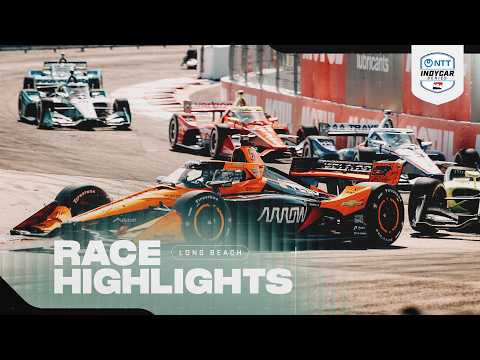
The Long Beach Grand Prix, held annually in Long Beach, California, is one of the most prestigious racing events in the United States. With a Long Beach setting that combines the beauty of the Pacific Ocean with the excitement of high-speed racing, it attracts thousands of spectators each year. The event has a rich history, dating back to 1975, and has been a part of the IndyCar Series since 2009. The Grand Prix has become a significant part of the city's culture, with many residents and visitors alike looking forward to it every year. For more information on the event, visit the official Long Beach Grand Prix website. The event's popularity can be measured by its high Vibe Score, indicating a strong cultural energy around the event.
📆 History of the Long Beach Grand Prix
The first Long Beach Grand Prix was held on September 28, 1975, as a Formula 5000 race, and it was won by Brian Redman. Over the years, the event has undergone several changes, including the switch to Champ Car in 1984 and then to the IndyCar Series in 2009. The History of the Long Beach Grand Prix is a fascinating story of how the event has evolved over time, with many notable winners and memorable moments. The event has been influenced by various influence flows, including the involvement of Mario Andretti and other legendary drivers. For a detailed look at the history, visit the Long Beach Grand Prix Archives.
🏁 The Track and Its Challenges
The Long Beach Grand Prix track is a 1.97-mile temporary street circuit that winds its way through the city's downtown area. The track features a mix of fast straights and slow turns, making it a challenging course for drivers. The Track Map shows the layout of the circuit, which includes the famous Turn 1 and the Shuttle Bus Stop turn. Drivers must be skilled and experienced to navigate the track successfully, as evidenced by the driving techniques required to master the course. The track's design has been influenced by other famous circuits, such as the Monaco Grand Prix circuit. For more information on the track, visit the Long Beach Grand Prix Track page.
🚗 Cars and Drivers: A Look at the Competition
The Long Beach Grand Prix features a variety of cars and drivers, all competing for the top prize. The IndyCar Series is the main attraction, with top drivers like Scott Dixon and Josef Newgarden battling it out for the win. The event also features support races, including the Indy Lights series, which showcases up-and-coming drivers. The Cars and Drivers page provides more information on the competitors and their vehicles. The event's Vibe Score is also influenced by the popularity of the drivers and teams, such as Team Penske and Chip Ganassi Racing. For the latest news and updates, follow the IndyCar Series on social media.
🏆 Notable Winners and Their Stories
Over the years, the Long Beach Grand Prix has had its fair share of notable winners. One of the most successful drivers in the event's history is Al Unser Jr., who won the race four times. Other notable winners include Mario Andretti and Sebastian Bourdais. The Notable Winners page provides a list of all the winners of the Long Beach Grand Prix, along with their winning teams and cars. The event's Topic Intelligence includes key ideas, such as the importance of pit strategy and tire management. For more information on the winners, visit the Long Beach Grand Prix Winners page.
📊 Economic Impact and Attendance
The Long Beach Grand Prix has a significant economic impact on the city of Long Beach, with thousands of spectators attending the event each year. The event generates millions of dollars in revenue, with a significant portion coming from ticket sales. The Economic Impact page provides more information on the financial benefits of the event. The event's Controversy Spectrum includes debates about the impact of the event on local businesses and residents. For the latest news and updates, follow the Long Beach Grand Prix on social media. The event's influence flows also include the involvement of local organizations, such as the Long Beach Chamber of Commerce.
👥 Organizers and Sponsors: Behind the Scenes
The Long Beach Grand Prix is organized by the Grand Prix Association of Long Beach, a non-profit organization dedicated to promoting the event. The association works closely with the City of Long Beach and other stakeholders to ensure the success of the event. The Organizers and Sponsors page provides more information on the people and organizations behind the event. The event's Entity Relationships include connections with other racing events, such as the Indianapolis 500. For the latest news and updates, visit the Long Beach Grand Prix website.
📺 Media Coverage and Broadcasting
The Long Beach Grand Prix is broadcast live on television, with coverage provided by NBC Sports. The event is also streamed online, allowing fans to watch from anywhere in the world. The Media Coverage page provides more information on how to watch the event. The event's Social Links include Twitter, Facebook, and Instagram, where fans can follow the latest news and updates. For the latest news and updates, follow the IndyCar Series on social media. The event's Topic Intelligence includes key people, such as Mike Tranghese, the former CEO of the IndyCar Series.
🤝 Community Involvement and Charity
The Long Beach Grand Prix is not just a racing event, but also a community-driven initiative. The event features a variety of activities and attractions, including a Fan Zone and a Kids Zone. The Community Involvement page provides more information on how the event engages with the local community. The event's Vibe Score is also influenced by the level of community involvement and participation. For the latest news and updates, follow the Long Beach Grand Prix on social media. The event's Entity Relationships include connections with local charities, such as the Boys and Girls Clubs of Long Beach.
🚨 Safety Concerns and Precautions
Safety is a top priority at the Long Beach Grand Prix, with a variety of measures in place to protect drivers, spectators, and staff. The Safety Concerns page provides more information on the safety protocols in place. The event's Topic Intelligence includes key ideas, such as the importance of safety equipment and emergency response plans. For the latest news and updates, follow the IndyCar Series on social media. The event's influence flows also include the involvement of safety experts, such as Dr. Brian Walker, the former medical director of the IndyCar Series.
📈 Future Developments and Expectations
As the Long Beach Grand Prix continues to evolve, there are many exciting developments on the horizon. The event is expected to continue to grow in popularity, with new attractions and activities being added each year. The Future Developments page provides more information on what's in store for the event. The event's Controversy Spectrum includes debates about the future of the event, including the potential impact of electric cars and autonomous vehicles. For the latest news and updates, follow the Long Beach Grand Prix on social media.
Key Facts
- Year
- 1975
- Origin
- Long Beach, California
- Category
- Sports
- Type
- Event
Frequently Asked Questions
What is the Long Beach Grand Prix?
The Long Beach Grand Prix is an annual racing event held in Long Beach, California. It is one of the most prestigious racing events in the United States and features a variety of cars and drivers competing for the top prize. The event is held on a temporary street circuit in the city's downtown area and attracts thousands of spectators each year. For more information, visit the Long Beach Grand Prix website. The event's Vibe Score is a measure of its cultural energy and popularity.
When is the Long Beach Grand Prix held?
The Long Beach Grand Prix is typically held in April of each year. The exact dates may vary from year to year, but it is usually held over a weekend. For the latest information on the event schedule, visit the Long Beach Grand Prix website. The event's Topic Intelligence includes key events, such as the IndyCar Series schedule.
Who are some notable winners of the Long Beach Grand Prix?
Some notable winners of the Long Beach Grand Prix include Al Unser Jr., Mario Andretti, and Sebastian Bourdais. These drivers have all had successful careers in racing and have won numerous championships. For more information on the winners, visit the Long Beach Grand Prix Winners page. The event's Entity Relationships include connections with other racing events, such as the Indianapolis 500.
What is the economic impact of the Long Beach Grand Prix?
The Long Beach Grand Prix has a significant economic impact on the city of Long Beach, with thousands of spectators attending the event each year. The event generates millions of dollars in revenue, with a significant portion coming from ticket sales. The Economic Impact page provides more information on the financial benefits of the event. The event's Controversy Spectrum includes debates about the impact of the event on local businesses and residents.
How can I watch the Long Beach Grand Prix?
The Long Beach Grand Prix is broadcast live on television, with coverage provided by NBC Sports. The event is also streamed online, allowing fans to watch from anywhere in the world. For the latest information on how to watch the event, visit the Long Beach Grand Prix website. The event's Social Links include Twitter, Facebook, and Instagram, where fans can follow the latest news and updates.
What are some of the safety concerns at the Long Beach Grand Prix?
Safety is a top priority at the Long Beach Grand Prix, with a variety of measures in place to protect drivers, spectators, and staff. Some of the safety concerns include the risk of accidents on the track, as well as the potential for crowd disturbances. The Safety Concerns page provides more information on the safety protocols in place. The event's Topic Intelligence includes key ideas, such as the importance of safety equipment and emergency response plans.
What is the future of the Long Beach Grand Prix?
As the Long Beach Grand Prix continues to evolve, there are many exciting developments on the horizon. The event is expected to continue to grow in popularity, with new attractions and activities being added each year. The Future Developments page provides more information on what's in store for the event. The event's Controversy Spectrum includes debates about the future of the event, including the potential impact of electric cars and autonomous vehicles.