
Contents
- 🌐 Introduction to Quantum Computing
- 🔍 History of Quantum Computing
- 🤔 How Quantum Computing Works
- 📈 Quantum Computing Applications
- 🔒 Quantum Computing and Cybersecurity
- 📊 Quantum Computing and Machine Learning
- 🌈 Quantum Computing and Materials Science
- 🚀 Future of Quantum Computing
- 📚 Quantum Computing Research and Development
- 👥 Quantum Computing Community and Education
- 📊 Quantum Computing Market and Investment
- 🚨 Quantum Computing Challenges and Limitations
- Frequently Asked Questions
- Related Topics
Overview
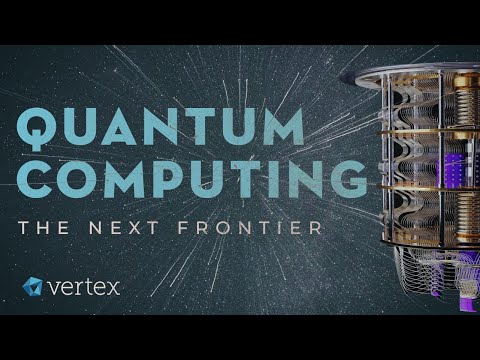
Quantum computing is a revolutionary technology that harnesses the principles of quantum mechanics to perform calculations exponentially faster than classical computers. By leveraging quantum bits or qubits, quantum computers can process vast amounts of data in parallel, making them ideal for complex simulations, cryptography, and optimization problems. The history of quantum computing dates back to the 1980s, with pioneers like David Deutsch and Richard Feynman laying the groundwork. Today, companies like Google, IBM, and Microsoft are actively developing quantum computing hardware and software, with significant investments pouring in from governments and venture capitalists. As the field advances, we can expect to see breakthroughs in fields like medicine, finance, and climate modeling, with potential applications including the simulation of complex molecular interactions and the optimization of complex systems. With a vibe score of 8, quantum computing is an exciting and rapidly evolving field that promises to transform the way we approach complex problems, but also raises important questions about the potential risks and challenges associated with this powerful technology.
🌐 Introduction to Quantum Computing
Quantum computing is a new paradigm for computing that uses the principles of quantum mechanics to perform calculations and operations on data. This emerging technology has the potential to revolutionize the way we approach complex problems in fields such as Cryptography, Artificial Intelligence, and Materials Science. Companies like Google and IBM are already investing heavily in quantum computing research and development. As we explore the possibilities of quantum computing, we must also consider the potential risks and challenges associated with this technology, including the potential for Quantum Supremacy and the need for Quantum Error Correction.
🔍 History of Quantum Computing
The history of quantum computing dates back to the 1980s, when physicists like Richard Feynman and David Deutsch first proposed the idea of using quantum mechanics to perform calculations. Since then, researchers have made significant progress in developing quantum algorithms and hardware, including the development of Quantum Gates and Quantum Circuits. Today, we have a number of different quantum computing architectures, including Superconducting Qubits and Ion Traps. As we look to the future of quantum computing, it's essential to understand the historical context and the key players who have contributed to its development, including Stephen Wiesner and Charles Bennett.
🤔 How Quantum Computing Works
So, how does quantum computing actually work? At its core, quantum computing relies on the principles of quantum mechanics, including Superposition and Entanglement. These principles allow quantum computers to perform calculations on multiple states simultaneously, making them potentially much faster than classical computers for certain types of problems. Quantum computers use Qubits to store and manipulate information, and they can be controlled using Quantum Gates. Researchers are also exploring new quantum computing architectures, such as Topological Quantum Computing and Adiabatic Quantum Computing. As we delve deeper into the world of quantum computing, it's essential to understand the underlying physics and the key technologies that make it possible, including Quantum Entanglement Swapping and Quantum Teleportation.
📈 Quantum Computing Applications
One of the most exciting aspects of quantum computing is its potential applications in a wide range of fields. For example, quantum computers could be used to simulate complex systems in Chemistry and Materials Science, leading to breakthroughs in fields like Drug Discovery and Energy Storage. Quantum computers could also be used to optimize complex systems in Logistics and Finance, leading to significant improvements in efficiency and productivity. Additionally, quantum computers could be used to crack complex Cryptography codes, which has significant implications for Cybersecurity. As we explore the potential applications of quantum computing, it's essential to consider the potential risks and challenges associated with this technology, including the potential for Quantum Hacking and the need for Quantum Secure Communication.
🔒 Quantum Computing and Cybersecurity
Quantum computing has significant implications for Cybersecurity, as it has the potential to break many of the encryption algorithms currently in use. This has led to a growing interest in Post-Quantum Cryptography, which is designed to be secure against quantum computers. Researchers are exploring new cryptographic protocols, such as Lattice-Based Cryptography and Code-Based Cryptography, that are resistant to quantum attacks. Additionally, quantum computers could be used to simulate complex systems in Cybersecurity, leading to breakthroughs in fields like Threat Detection and Incident Response. As we look to the future of quantum computing and Cybersecurity, it's essential to consider the potential risks and challenges associated with this technology, including the potential for Quantum Side-Channel Attacks and the need for Quantum Secure Key Exchange.
📊 Quantum Computing and Machine Learning
Quantum computing has significant implications for Machine Learning, as it has the potential to speed up many machine learning algorithms. Quantum computers could be used to optimize complex systems in Machine Learning, leading to breakthroughs in fields like Image Recognition and Natural Language Processing. Researchers are exploring new quantum machine learning algorithms, such as Quantum K-Means and Quantum Support Vector Machines, that are designed to take advantage of the unique properties of quantum computers. Additionally, quantum computers could be used to simulate complex systems in Machine Learning, leading to breakthroughs in fields like Reinforcement Learning and Deep Learning. As we look to the future of quantum computing and Machine Learning, it's essential to consider the potential risks and challenges associated with this technology, including the potential for Quantum Overfitting and the need for Quantum Regularization.
🌈 Quantum Computing and Materials Science
Quantum computing has significant implications for Materials Science, as it has the potential to simulate complex systems in Materials Science. Quantum computers could be used to optimize complex systems in Materials Science, leading to breakthroughs in fields like Energy Storage and Nanotechnology. Researchers are exploring new quantum algorithms, such as Quantum Monte Carlo and Quantum Molecular Dynamics, that are designed to take advantage of the unique properties of quantum computers. Additionally, quantum computers could be used to simulate complex systems in Materials Science, leading to breakthroughs in fields like Superconductivity and Superfluidity. As we look to the future of quantum computing and Materials Science, it's essential to consider the potential risks and challenges associated with this technology, including the potential for Quantum Materials and the need for Quantum Characterization.
🚀 Future of Quantum Computing
As we look to the future of quantum computing, it's essential to consider the potential risks and challenges associated with this technology. One of the biggest challenges facing quantum computing is the need for Quantum Error Correction, which is essential for large-scale quantum computing. Researchers are exploring new quantum error correction codes, such as Surface Codes and Shor Codes, that are designed to correct errors in quantum computations. Additionally, quantum computers could be used to simulate complex systems in Quantum Mechanics, leading to breakthroughs in fields like Quantum Field Theory and Quantum Gravity. As we look to the future of quantum computing, it's essential to consider the potential implications of this technology, including the potential for Quantum Supremacy and the need for Quantum Ethics.
📚 Quantum Computing Research and Development
Quantum computing research and development is a rapidly growing field, with many universities and companies investing heavily in this area. Researchers are exploring new quantum algorithms, such as Shor Algorithm and Grover Algorithm, that are designed to take advantage of the unique properties of quantum computers. Additionally, quantum computers could be used to simulate complex systems in Quantum Mechanics, leading to breakthroughs in fields like Quantum Chemistry and Quantum Physics. As we look to the future of quantum computing research and development, it's essential to consider the potential risks and challenges associated with this technology, including the potential for Quantum Hacking and the need for Quantum Secure Communication.
👥 Quantum Computing Community and Education
The quantum computing community is a rapidly growing and diverse group of researchers, developers, and enthusiasts. There are many online forums and communities, such as Quantum Computing Subreddit and Quantum Computing StackExchange, where people can learn about and discuss quantum computing. Additionally, there are many educational resources available, such as Quantum Computing Courses and Quantum Computing Tutorials, that can help people get started with quantum computing. As we look to the future of quantum computing, it's essential to consider the potential implications of this technology, including the potential for Quantum Education and the need for Quantum Diversity.
📊 Quantum Computing Market and Investment
The quantum computing market is a rapidly growing and highly competitive field, with many companies investing heavily in this area. Companies like Google and IBM are already offering quantum computing services, such as Google Quantum AI Lab and IBM Quantum Experience. Additionally, there are many startups and venture capital firms investing in quantum computing, such as Rigetti Computing and Quantum Circuits Inc. As we look to the future of quantum computing, it's essential to consider the potential risks and challenges associated with this technology, including the potential for Quantum Monopolies and the need for Quantum Regulation.
🚨 Quantum Computing Challenges and Limitations
Despite the many potential benefits of quantum computing, there are also many challenges and limitations associated with this technology. One of the biggest challenges facing quantum computing is the need for Quantum Error Correction, which is essential for large-scale quantum computing. Additionally, quantum computers are highly sensitive to Quantum Noise, which can cause errors in quantum computations. As we look to the future of quantum computing, it's essential to consider the potential implications of this technology, including the potential for Quantum Risks and the need for Quantum Mitigation.
Key Facts
- Year
- 1982
- Origin
- Theoretical Physics and Computer Science
- Category
- Emerging Technology
- Type
- Technology Concept
- Format
- what-is
Frequently Asked Questions
What is quantum computing?
Quantum computing is a new paradigm for computing that uses the principles of quantum mechanics to perform calculations and operations on data. This emerging technology has the potential to revolutionize the way we approach complex problems in fields such as Cryptography, Artificial Intelligence, and Materials Science. Quantum computers use Qubits to store and manipulate information, and they can be controlled using Quantum Gates. As we delve deeper into the world of quantum computing, it's essential to understand the underlying physics and the key technologies that make it possible, including Quantum Entanglement Swapping and Quantum Teleportation.
How does quantum computing work?
Quantum computing relies on the principles of quantum mechanics, including Superposition and Entanglement. These principles allow quantum computers to perform calculations on multiple states simultaneously, making them potentially much faster than classical computers for certain types of problems. Quantum computers use Qubits to store and manipulate information, and they can be controlled using Quantum Gates. Researchers are also exploring new quantum computing architectures, such as Topological Quantum Computing and Adiabatic Quantum Computing. As we look to the future of quantum computing, it's essential to consider the potential implications of this technology, including the potential for Quantum Supremacy and the need for Quantum Error Correction.
What are the potential applications of quantum computing?
Quantum computing has the potential to revolutionize a wide range of fields, including Cryptography, Artificial Intelligence, and Materials Science. Quantum computers could be used to simulate complex systems in Chemistry and Materials Science, leading to breakthroughs in fields like Drug Discovery and Energy Storage. Quantum computers could also be used to optimize complex systems in Logistics and Finance, leading to significant improvements in efficiency and productivity. Additionally, quantum computers could be used to crack complex Cryptography codes, which has significant implications for Cybersecurity. As we look to the future of quantum computing, it's essential to consider the potential risks and challenges associated with this technology, including the potential for Quantum Hacking and the need for Quantum Secure Communication.
What are the challenges and limitations of quantum computing?
Despite the many potential benefits of quantum computing, there are also many challenges and limitations associated with this technology. One of the biggest challenges facing quantum computing is the need for Quantum Error Correction, which is essential for large-scale quantum computing. Additionally, quantum computers are highly sensitive to Quantum Noise, which can cause errors in quantum computations. As we look to the future of quantum computing, it's essential to consider the potential implications of this technology, including the potential for Quantum Risks and the need for Quantum Mitigation.
How can I get started with quantum computing?
There are many resources available for people who want to get started with quantum computing, including Quantum Computing Courses and Quantum Computing Tutorials. Additionally, there are many online forums and communities, such as Quantum Computing Subreddit and Quantum Computing StackExchange, where people can learn about and discuss quantum computing. As we look to the future of quantum computing, it's essential to consider the potential implications of this technology, including the potential for Quantum Education and the need for Quantum Diversity.
What is the current state of quantum computing research and development?
Quantum computing research and development is a rapidly growing field, with many universities and companies investing heavily in this area. Researchers are exploring new quantum algorithms, such as Shor Algorithm and Grover Algorithm, that are designed to take advantage of the unique properties of quantum computers. Additionally, quantum computers could be used to simulate complex systems in Quantum Mechanics, leading to breakthroughs in fields like Quantum Chemistry and Quantum Physics. As we look to the future of quantum computing research and development, it's essential to consider the potential risks and challenges associated with this technology, including the potential for Quantum Hacking and the need for Quantum Secure Communication.
What are the potential implications of quantum computing for society?
Quantum computing has the potential to revolutionize a wide range of fields, including Cryptography, Artificial Intelligence, and Materials Science. However, it also raises important questions about the potential risks and challenges associated with this technology, including the potential for Quantum Hacking and the need for Quantum Secure Communication. As we look to the future of quantum computing, it's essential to consider the potential implications of this technology, including the potential for Quantum Risks and the need for Quantum Mitigation.