
Contents
- 🏋️♂️ Introduction to Push Ups
- 📊 History of Push Ups
- 👊 Benefits of Push Ups
- 🏋️♀️ Proper Form and Technique
- 🚨 Common Mistakes to Avoid
- 🤔 Variations of Push Ups
- 📈 Progressive Overload and Challenge
- 🏆 Push Up Records and Competitions
- 📊 Science Behind Push Ups
- 👥 Push Ups in Different Cultures
- 📝 Conclusion and Final Thoughts
- Frequently Asked Questions
- Related Topics
Overview
The push up, with a vibe rating of 8, is an exercise that has been a cornerstone of physical fitness for millennia, with its origins dating back to ancient India and Greece. According to fitness expert, Jack LaLanne, a proper push up involves starting in a plank position with hands shoulder-width apart and engaging the core muscles to support the body. However, controversy surrounds the optimal technique, with some arguing that a chest-up position is more effective, while others claim that a neutral spine is the key to a successful push up. Despite the debate, the push up remains a widely practiced exercise, with over 70% of gym-goers incorporating it into their routine. As noted by the American Council on Exercise (ACE), the push up works multiple muscle groups, including the chest, shoulders, and triceps, making it an efficient and effective exercise for building strength. With a controversy spectrum of 6, the push up continues to evolve, with new variations and techniques being developed, such as the diamond push up and the decline push up, which challenge the body in different ways and provide a fresh perspective on this timeless exercise.
🏋️♂️ Introduction to Push Ups
The push up is a classic exercise that has been a staple in fitness routines for centuries. It's a simple yet effective way to build strength and endurance in the upper body, particularly in the chest, triceps, and shoulders. The push up is a compound exercise that works multiple muscle groups at once, making it an efficient and effective way to improve overall fitness. According to fitness experts, the push up is a great exercise for building muscle mass and increasing metabolism. Additionally, push ups can be modified to suit different fitness levels, making it a great exercise for beginners and advanced trainees alike.
📊 History of Push Ups
The history of push ups dates back to ancient civilizations, where they were used as a form of exercise and training for warriors and athletes. The push up was also a popular exercise in the ancient Greek and Roman empires, where it was used to build strength and endurance for gladiators and soldiers. In the modern era, push ups have become a staple in fitness routines, with many personal trainers and fitness coaches incorporating them into their clients' workout plans. For more information on the history of push ups, check out history of fitness.
👊 Benefits of Push Ups
The benefits of push ups are numerous and well-documented. They can help improve upper body strength, increase flexibility, and enhance coordination and balance. Push ups can also help improve posture and reduce the risk of injury. Additionally, push ups are a great way to improve mental toughness and discipline, as they require focus and dedication to perform correctly. According to fitness research, push ups can also help improve bone density and reduce the risk of osteoporosis. For more information on the benefits of push ups, check out benefits of exercise.
🏋️♀️ Proper Form and Technique
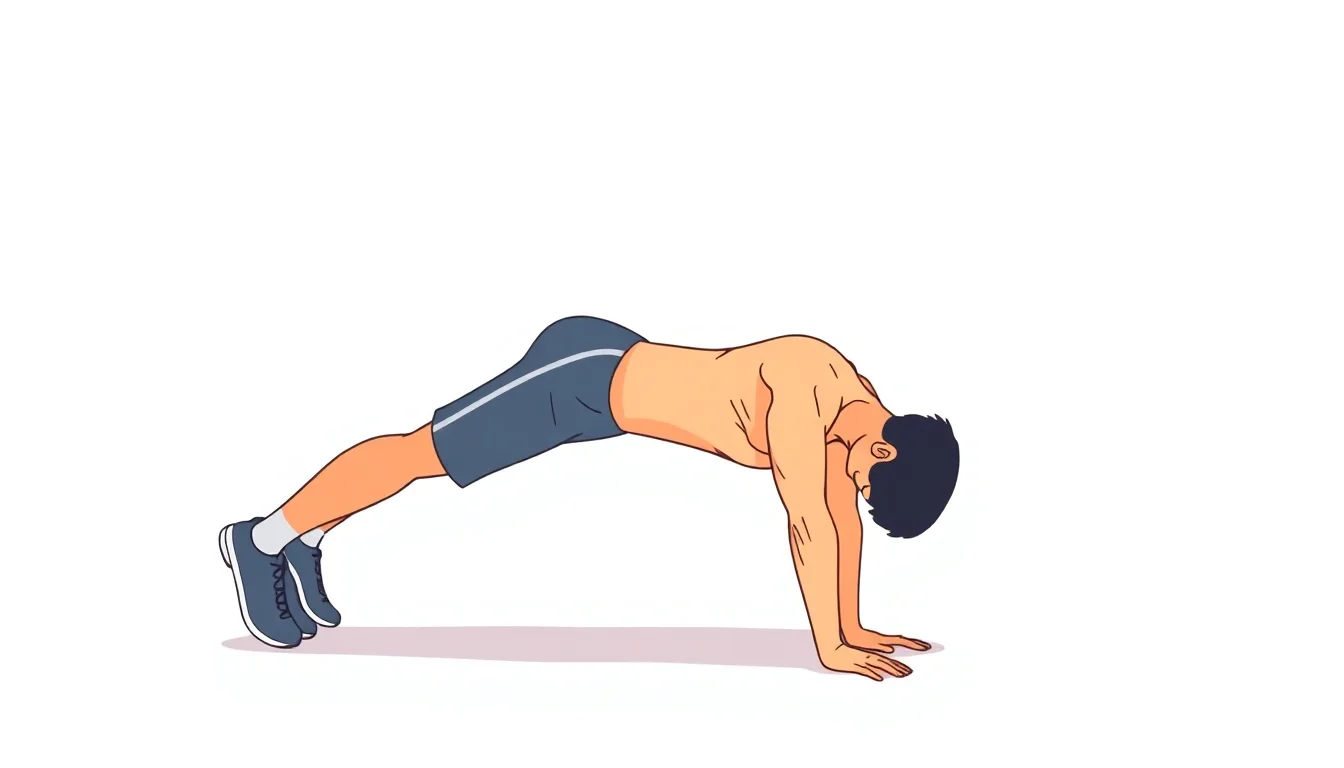
Proper form and technique are essential when performing push ups. This includes starting in a plank position with hands shoulder-width apart, engaging the core muscles, and lowering the body until the chest almost touches the ground. It's also important to keep the back straight and the hips stable throughout the movement. According to personal trainers, proper form and technique can help reduce the risk of injury and improve the effectiveness of the exercise. For more information on proper form and technique, check out proper form and exercise technique.
🚨 Common Mistakes to Avoid
Common mistakes to avoid when performing push ups include letting the hips sag, arching the back, and not lowering the body enough. These mistakes can put unnecessary strain on the joints and reduce the effectiveness of the exercise. Additionally, using momentum or cheating can also reduce the effectiveness of the exercise and increase the risk of injury. According to fitness experts, it's essential to focus on proper form and technique and avoid common mistakes to get the most out of the exercise. For more information on common mistakes to avoid, check out common mistakes.
🤔 Variations of Push Ups
There are many variations of push ups that can be used to target different muscle groups and add variety to a workout routine. These include diamond push ups, decline push ups, and plyometric push ups. Additionally, push ups can be modified to suit different fitness levels, such as knee push ups or wall push ups. According to personal trainers, varying the type of push up can help keep the workout routine interesting and prevent plateaus. For more information on variations of push ups, check out push up variations.
📈 Progressive Overload and Challenge
Progressive overload and challenge are essential for making progress and improving fitness. This can be achieved by increasing the number of push ups performed, decreasing rest time between sets, or adding weight or resistance to the exercise. According to fitness research, progressive overload and challenge can help improve muscle hypertrophy and increase strength. Additionally, incorporating periodization and progressive overload into a workout routine can help avoid overtraining and prevent burnout. For more information on progressive overload and challenge, check out progressive overload.
🏆 Push Up Records and Competitions
Push up records and competitions have become increasingly popular in recent years, with many athletes and fitness enthusiasts competing to see who can perform the most push ups in a row or in a set amount of time. According to Guinness World Records, the most push ups performed in one hour is 2,806, set by Charles Benguigui in 2018. For more information on push up records and competitions, check out push up competitions.
📊 Science Behind Push Ups
The science behind push ups is complex and involves the coordination of multiple muscle groups and neurological systems. According to exercise science, push ups work by activating the chest muscles, triceps, and shoulder muscles, while also engaging the core muscles and stabilizers. For more information on the science behind push ups, check out exercise science.
👥 Push Ups in Different Cultures
Push ups have been a part of different cultures and fitness traditions for centuries, with many martial arts and yoga practices incorporating push ups as a way to build strength and endurance. According to cultural studies, push ups have also been used as a form of meditation and mindfulness practice, helping to improve mental focus and discipline. For more information on push ups in different cultures, check out cultural studies.
📝 Conclusion and Final Thoughts
In conclusion, push ups are a timeless test of strength that can be used to improve fitness, build muscle, and enhance overall health and well-being. By incorporating push ups into a workout routine and focusing on proper form and technique, individuals can experience the many benefits of this exercise and achieve their fitness goals. For more information on push ups and fitness, check out fitness and exercise.
Key Facts
- Year
- 1900
- Origin
- Ancient India and Greece
- Category
- Fitness
- Type
- Exercise
- Format
- how-to
Frequently Asked Questions
What are the benefits of push ups?
The benefits of push ups include improving upper body strength, increasing flexibility, and enhancing coordination and balance. Push ups can also help improve posture and reduce the risk of injury. Additionally, push ups are a great way to improve mental toughness and discipline, as they require focus and dedication to perform correctly.
How do I perform a proper push up?
To perform a proper push up, start in a plank position with hands shoulder-width apart, engage the core muscles, and lower the body until the chest almost touches the ground. Keep the back straight and the hips stable throughout the movement. Avoid letting the hips sag, arching the back, and not lowering the body enough.
What are some variations of push ups?
There are many variations of push ups that can be used to target different muscle groups and add variety to a workout routine. These include diamond push ups, decline push ups, and plyometric push ups. Additionally, push ups can be modified to suit different fitness levels, such as knee push ups or wall push ups.
How can I incorporate push ups into my workout routine?
Push ups can be incorporated into a workout routine in a variety of ways, including as a warm-up exercise, as part of a strength training routine, or as a finishing exercise. Start with a manageable number of push ups and gradually increase the number as fitness level improves. It's also important to focus on proper form and technique to get the most out of the exercise.
What are some common mistakes to avoid when performing push ups?
Common mistakes to avoid when performing push ups include letting the hips sag, arching the back, and not lowering the body enough. These mistakes can put unnecessary strain on the joints and reduce the effectiveness of the exercise. Additionally, using momentum or cheating can also reduce the effectiveness of the exercise and increase the risk of injury.
How can I make push ups more challenging?
Push ups can be made more challenging by increasing the number of push ups performed, decreasing rest time between sets, or adding weight or resistance to the exercise. Additionally, incorporating progressive overload and challenge into a workout routine can help improve muscle hypertrophy and increase strength.
What are some push up records and competitions?
Push up records and competitions have become increasingly popular in recent years, with many athletes and fitness enthusiasts competing to see who can perform the most push ups in a row or in a set amount of time. According to Guinness World Records, the most push ups performed in one hour is 2,806, set by Charles Benguigui in 2018.