Trump's Iran Strategy: From 'Shock and Awe' to 'Wait and See'
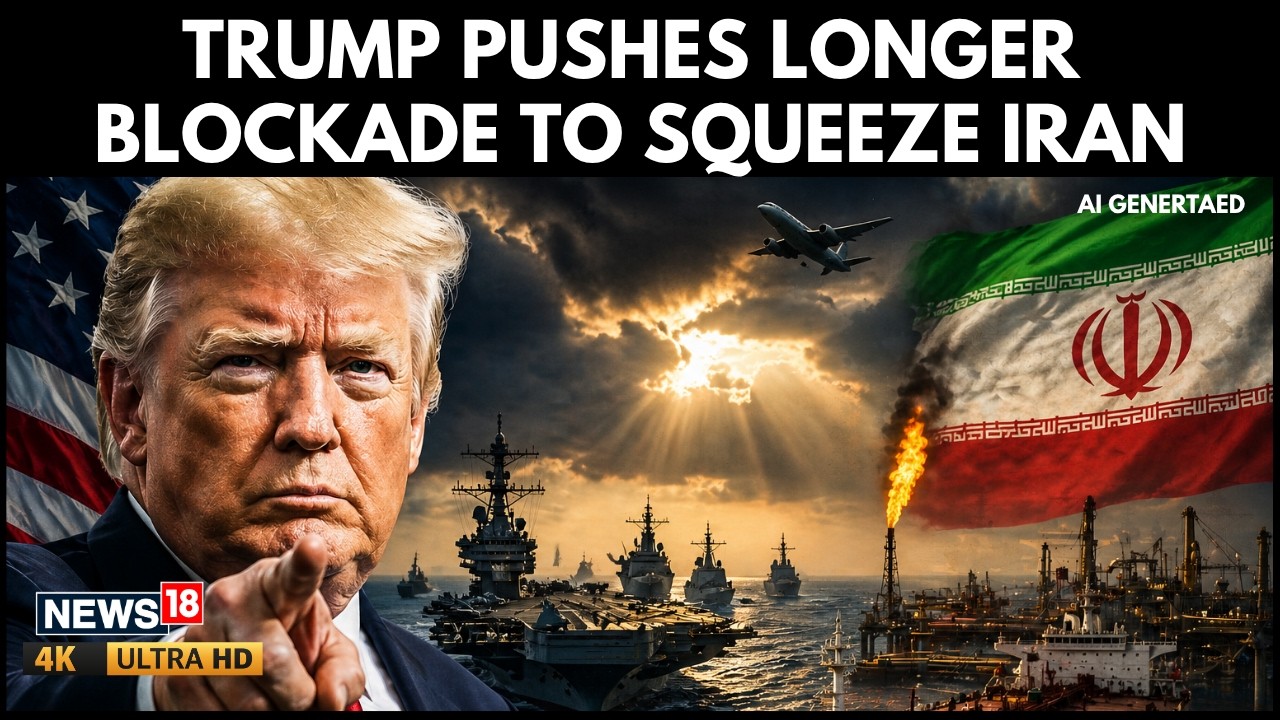
The [[Donald Trump|Trump]] administration's approach to Iran has shifted from aggressive posturing to a perceived lack of decisive action, leaving allies questi
Summary
The [[Donald Trump|Trump]] administration's approach to Iran has shifted from aggressive posturing to a perceived lack of decisive action, leaving allies questioning its strategic direction. Initially characterized by a 'shock and awe' rhetoric following the withdrawal from the [[Iran nuclear deal|Iran nuclear deal]] in 2018, the strategy appears to have devolved into a 'wait and see' approach, marked by a lack of sustained planning for de-escalation or resolution. This perceived indecisiveness has eroded confidence among key [[US allies|US allies]] in Europe and the Middle East, who are increasingly concerned about regional stability and the absence of a clear endgame. The shift is particularly evident in the aftermath of escalating tensions, including the assassination of [[Qasem Soleimani|Qasem Soleimani]] in January 2020. While the initial response aimed to project strength, the subsequent lack of a clear follow-up strategy has led to a vacuum, with allies reportedly struggling to discern the administration's long-term objectives beyond containment.
Key Takeaways
- The Trump administration's Iran strategy has reportedly shifted from aggressive 'shock and awe' tactics to a less defined 'wait and see' approach.
- US allies are reportedly concerned by the perceived lack of a sustained plan and are questioning the White House's strategic direction.
- The withdrawal from the [[Iran nuclear deal|Iran nuclear deal]] and the assassination of [[Qasem Soleimani|Qasem Soleimani]] are key events shaping the current dynamic.
- This perceived indecisiveness risks eroding confidence among allies and potentially emboldening Iran.
- A clear, consistent strategy is vital for regional stability and preventing unintended escalation.
Balanced Perspective
The article suggests a discernible shift in [[Donald Trump|Trump]]'s Iran policy from overt aggression to a more passive stance. The 'shock and awe' phase, characterized by sanctions and strong rhetoric after the [[Iran nuclear deal|Iran nuclear deal]] withdrawal, has seemingly given way to a less defined strategy. Allies' concerns stem from this perceived lack of a clear, sustained plan for de-escalation or achieving specific objectives beyond containment, leading to uncertainty about the administration's long-term goals and commitment to regional stability.
Optimistic View
The 'wait and see' approach could be interpreted as a strategic pause, allowing for flexibility and adaptation in a volatile region. This allows the administration to avoid premature commitments and potentially exploit future opportunities for negotiation or leverage. By not locking into a rigid plan, [[Donald Trump|Trump]] retains the ability to pivot based on evolving circumstances, a tactic that has sometimes yielded unexpected results in his foreign policy dealings. Allies may eventually see the wisdom in this measured approach as the situation develops.
Critical View
The absence of a coherent, sustained strategy for Iran represents a significant foreign policy failure, increasing the risk of miscalculation and unintended escalation. Allies' loss of confidence signals a weakening of American leadership and a potential unraveling of the international coalition against Iran's destabilizing activities. This 'wait and see' approach could embolden Iran, as it perceives a lack of resolve, while leaving the region vulnerable to further conflict without a clear path to resolution.
Source
Originally reported by The Guardian