
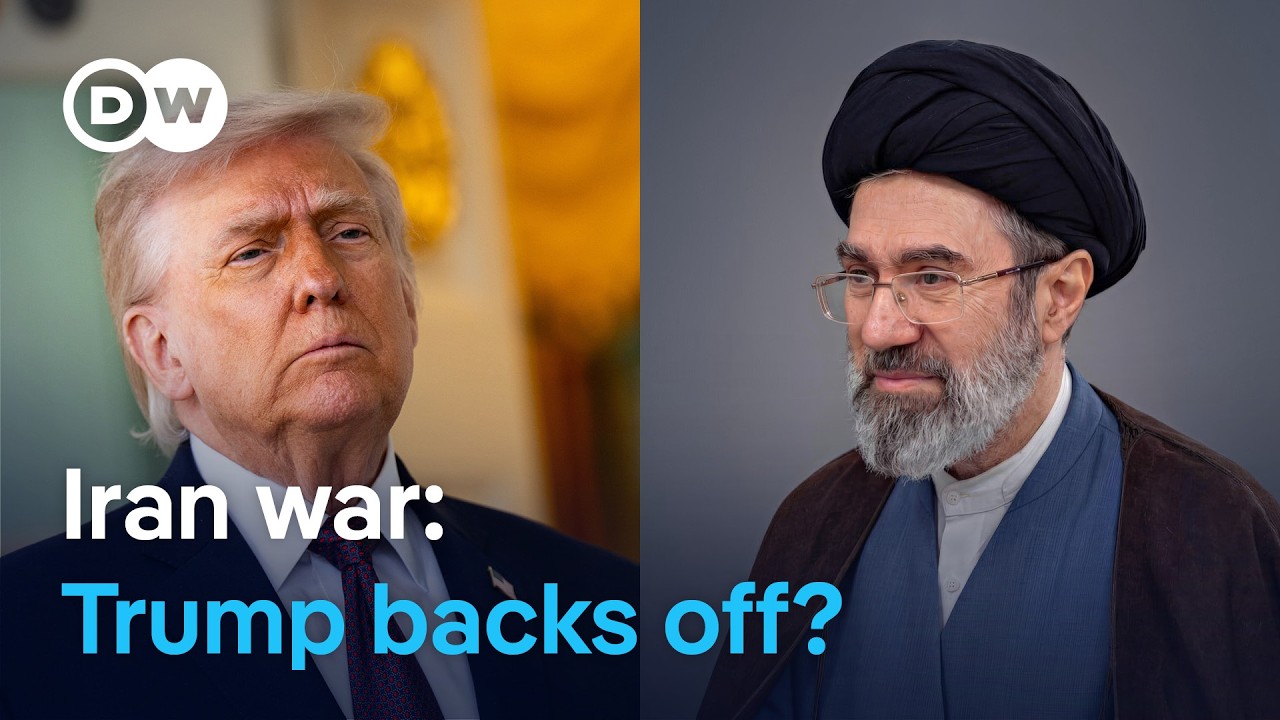
Summary
The ceasefire extension has sparked a mixed reaction from Iranian officials, with some calling for a military response to the US blockade. **Mohammad Baqer Qalibaf**'s advisor has stated that the blockade is 'no different from bombardment' and must be met with a military response. Meanwhile, **Trump** has directed the US military to continue the blockade and remain ready for any eventuality. The situation remains fluid, with the US and **Iran** engaging in a war of words over the ceasefire extension. [[pakistan|Pakistan]]'s role in facilitating peace talks has been crucial, with **Field Marshal Asim Munir** and **Prime Minister Shehbaz Sharif** requesting the US to hold its attack on **Iran**. The US has agreed to extend the ceasefire, but the situation remains precarious, with the potential for escalation still high.
Key Takeaways
- The US has extended the ceasefire with Iran due to Iran's 'seriously fractured' government
- The US Navy is maintaining a blockade of Iranian ports near the Strait of Hormuz
- Iran has accused the US of breaching its commitments under a 10-point framework
- The situation remains volatile, with the potential for escalation still high
- The international community should exercise caution and continue to monitor the situation closely
Balanced Perspective
The ceasefire extension is a complex development, with both positive and negative implications. While it provides a temporary reprieve from hostilities, it also raises concerns about the US's intentions and **Iran**'s willingness to negotiate. The situation remains volatile, with the **US Navy**'s blockade of Iranian ports and **Iran**'s refusal to submit a unified proposal. The international community should exercise caution and continue to monitor the situation closely, as the potential for escalation remains high. [[iran-us-relations|Iran-US relations]] are at a critical juncture, with the ceasefire extension providing a temporary reprieve but not a long-term solution.
Optimistic View
The ceasefire extension could provide a much-needed window for peace talks to resume, allowing the US and **Iran** to find a lasting solution to the conflict. **Trump**'s decision to extend the ceasefire demonstrates his commitment to finding a peaceful resolution, and the international community should support these efforts. With **Pakistan**'s facilitation, the US and **Iran** can work towards a unified proposal to end the war, which would have significant benefits for regional stability and global oil transit. [[peace-talks|Peace talks]] can help to address the underlying issues driving the conflict, including the **Strait of Hormuz** dispute.
Critical View
The ceasefire extension is a mere delaying tactic, allowing the US to regroup and prepare for a potential strike against **Iran**. **Trump**'s decision to extend the ceasefire is a ploy to buy time, and **Iran** should be wary of the US's intentions. The blockade of Iranian ports and the refusal to submit a unified proposal are clear indications of the US's aggressive stance, and **Iran** should prepare for a military response. The situation is precarious, and the potential for escalation is high, with the **Strait of Hormuz** remaining a key point of conflict. [[us-iran-conflict|US-Iran conflict]] is far from over, with the ceasefire extension providing only a temporary reprieve.
Source
Originally reported by CNBC